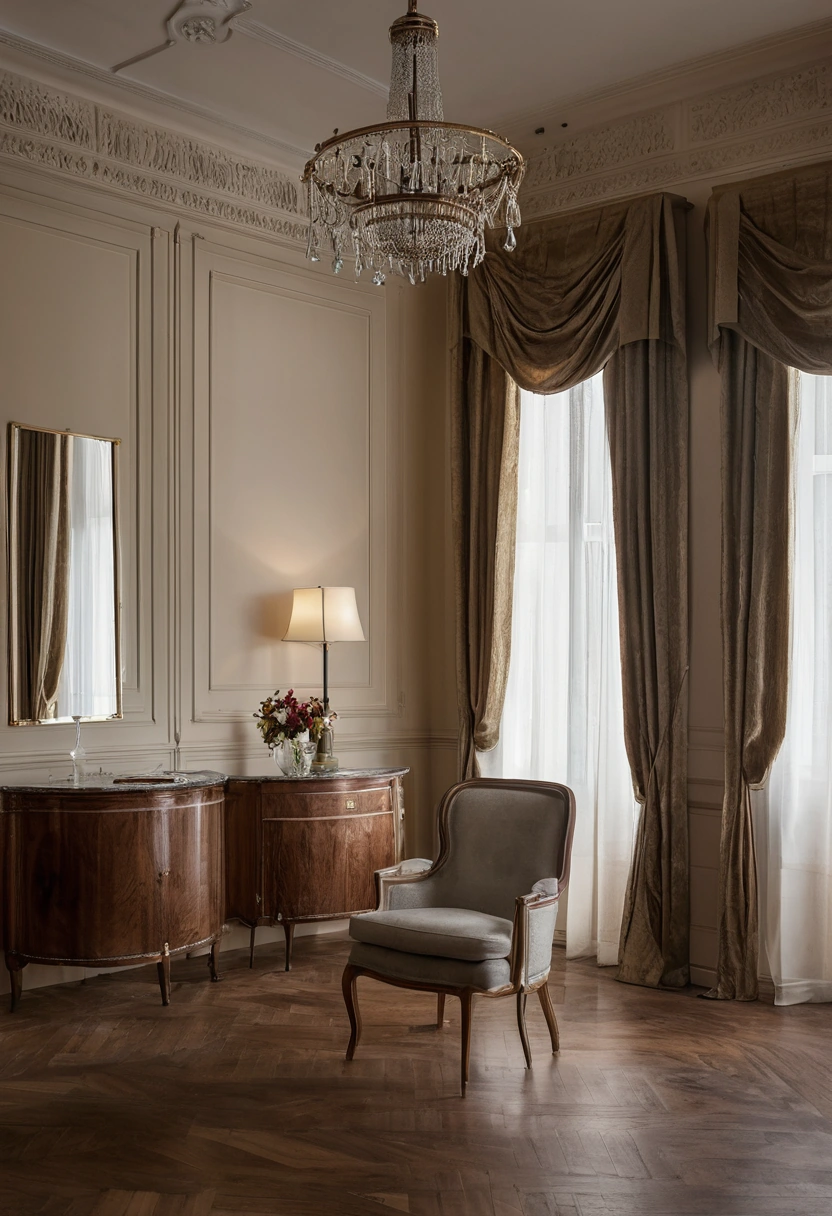
Preserve a Historic Hotel Interior While Making It Usable
A historic hotel needs rooms that guests can use and interiors whose distinctive fabric remains legible. Modenese Interiors works in interior design and fit-out, but a conservation project cannot start from a generic style package. The useful sequence is to identify what is historically significant, document its condition, and then place new furniture and services where they cause the least loss.
Old walls, stairs, paneling, and doors may carry more of a building's character than any newly purchased chair. A guest room can still be comfortable without making every surface look new. The task is to distinguish retained fabric from later additions, and to decide openly where change is needed. A hotel must also meet the requirements of its actual location and operation; a design article cannot certify compliance from photographs.
What should be documented before a hotel room is redesigned?
Document the room's plan, proportions, finishes, openings, fixed features, and visible evidence of earlier changes before drawing a new layout. Photographs, measured plans, and a condition list establish what is present. If the building has a conservation designation, the relevant authority and qualified specialists should define which features have protected significance.
The U.S. National Park Service's Preservation Brief 18 recommends retaining important room relationships, such as the size and arrangement of corridors, lobbies, and entrance halls. It also lists doors, cornices, fireplaces, paneling, hardware, flooring, and finishes as possible character-defining elements. The brief is U.S. guidance, not a legal ruling for every hotel. Its method is useful: identify significance before altering the room.
Ask what evidence supports the proposed historical period. A later addition might itself be significant. A polished rendering that removes every trace of later use can create an invented past. Record uncertainty where the original finish or arrangement is unknown. A conservation plan should say which changes are documented and which are design interpretations.
How can new furniture sit beside old fabric?
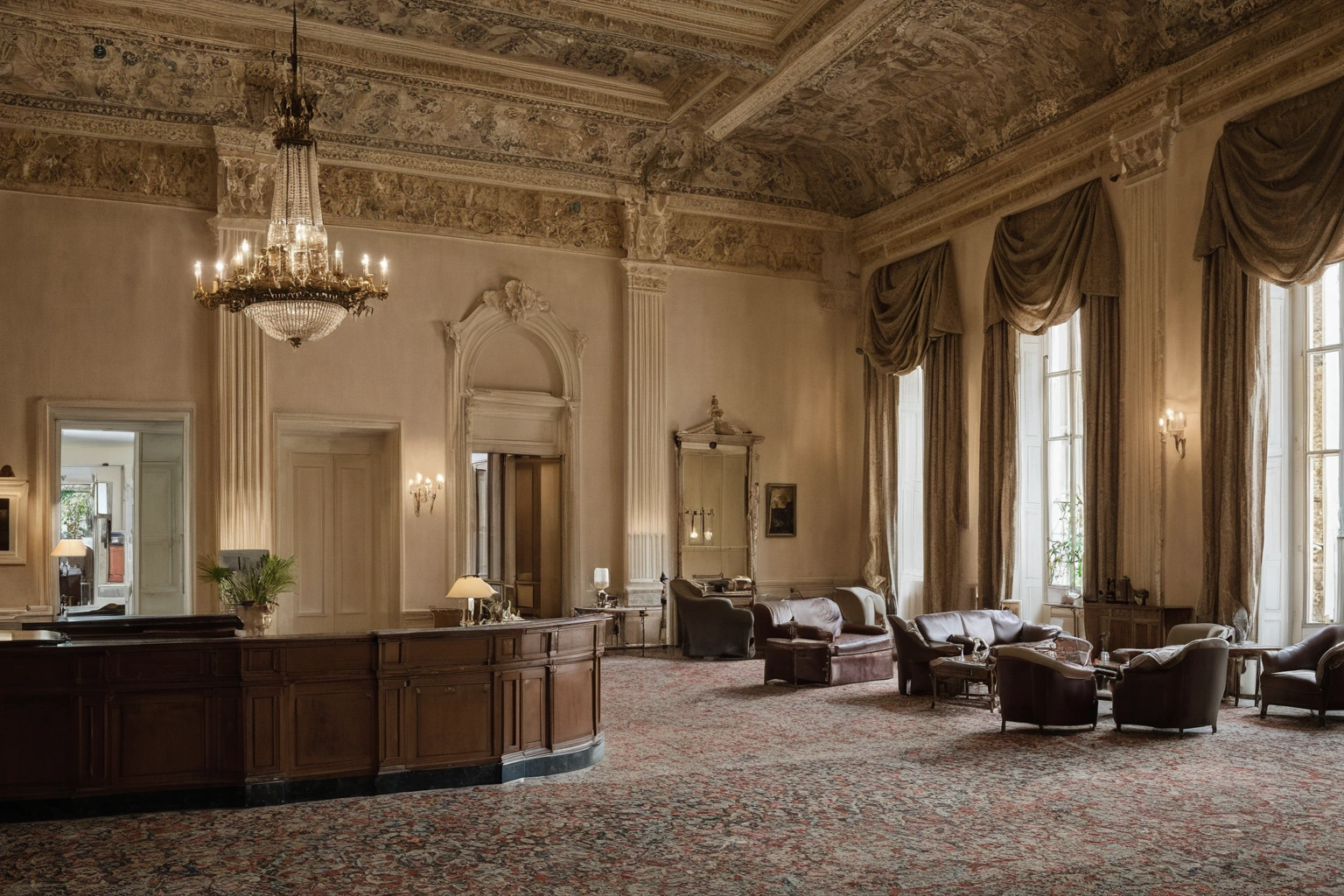
New furniture should allow important architecture to remain visible and should be selected for the way the hotel operates. A large freestanding cabinet can conceal paneling; a sofa can block a fireplace; a reception desk can interrupt the original hall plan. Draw the intended furniture against the documented room, not only inside an empty floor outline.
There is no rule that all new furniture must imitate the building's period. An imitation can confuse guests about what is original. A restrained contemporary piece may allow old plaster or joinery to stand out. A classic piece may work when its proportions and material are compatible. The decision should follow the documented significance and the room's use, not an automatic preference for matching style.
Historic England describes hotel use as one way to sustain older buildings and emphasizes careful adaptation. Its hotels and accommodation examples include projects where surveys informed decisions about significant features. The examples are specific buildings; they do not establish that a different hotel should copy their layout or furniture. They show the value of studying the building before introducing new services and rooms.
| Element | Conservation question | Operational question |
|---|---|---|
| Lobby | Which space relationships define the entrance? | Can guests move and check in comfortably? |
| Guest room | Which fixed finishes and openings remain? | Can furniture be cleaned and repaired? |
| Corridor | Which doors, trim, and floor surfaces matter? | Can luggage and housekeeping move safely? |
| Service route | Where can new work avoid significant fabric? | Can staff reach equipment for maintenance? |
Where should modern services go?
Modern lighting, heating, data, and bathroom services should be planned with the historic interior rather than inserted after finishes are approved. A cable run can cut a decorative wall; a lowered ceiling can hide an important cornice; a new vent can disrupt an original door surround. The service engineer and conservation specialist need the same measured record.
Preservation Brief 18 advises locating new service functions in secondary spaces where practical and making ducts, pipes, and wiring inconspicuous. It also warns against dropped ceilings that obscure ornamental ceilings or alter room proportions. A hotel may have operational constraints that require compromise, but the compromise should be documented as a choice between identified needs.
Do not assume an old room has enough concealed capacity for every new function. Survey the structure and routes first. In some cases, changing the furniture position can reduce pressure to modify the wall: a freestanding lamp may avoid a cut for a wall light, or a movable desk may keep an outlet accessible. In other cases, a properly designed permanent service may be safer than a trail of extension cables. The project team must compare the actual options.
How should finishes be repaired rather than erased?
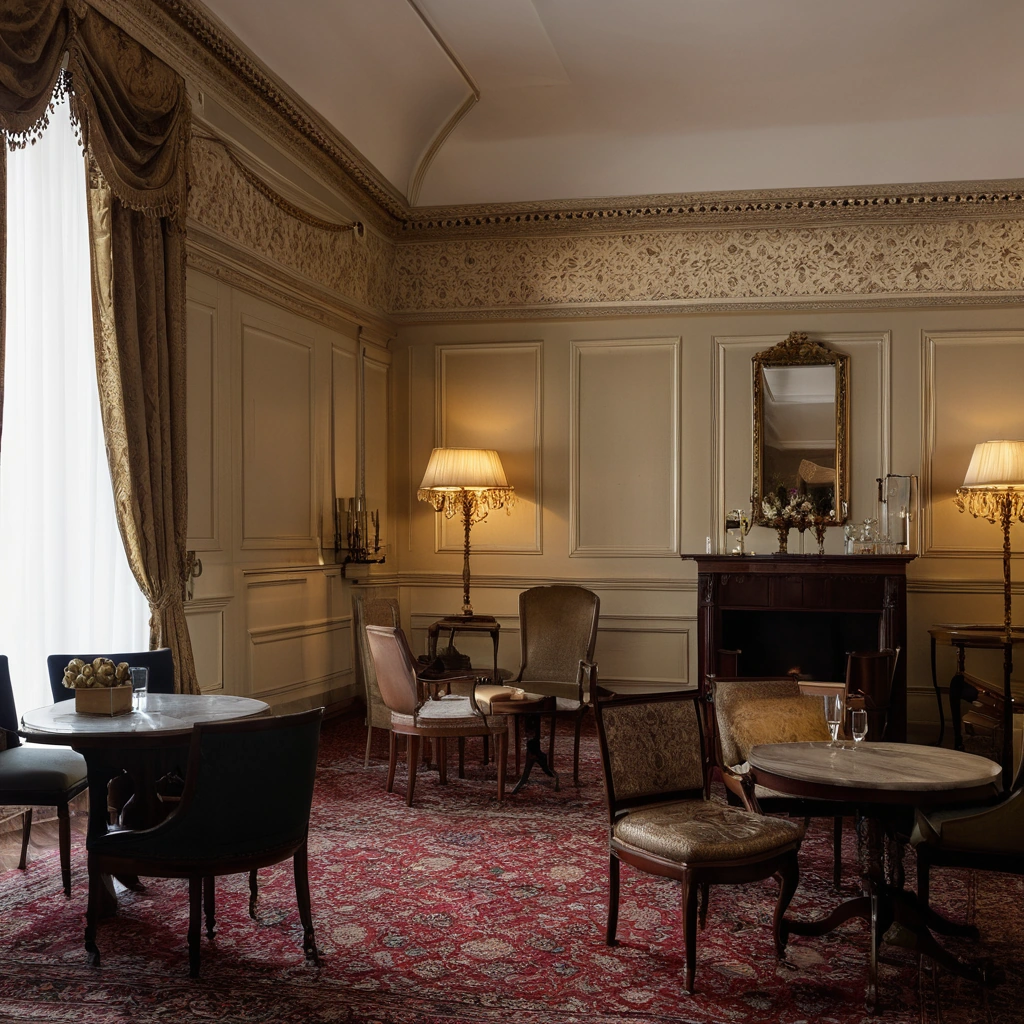
Begin with condition, material, and evidence. A worn finish may be stable and meaningful; a flaking finish may need specialist stabilization. Painting every surface one uniform color can remove traces that explain the building's age. Stripping a historic wooden element can cause irreversible loss even when the result looks cleaner.
The Canadian Conservation Institute explains that original furniture finishes can reveal how an object was made and that a removed original finish cannot be restored as original material. The guidance applies to movable furniture, while building finishes require their own conservation assessment. In both cases, the project should distinguish cleaning from refinishing and record what is proposed before work begins.
Historic England's hotel examples show adaptation rather than a single visual formula. New rooms and facilities can support use, but important features need to remain understandable. A room's character may come from the relationship among stair, windows, and hall as much as from a particular wallpaper color. A finish schedule should therefore include both material decisions and what must be left visible.
How can a historic room meet guest expectations without imitation?
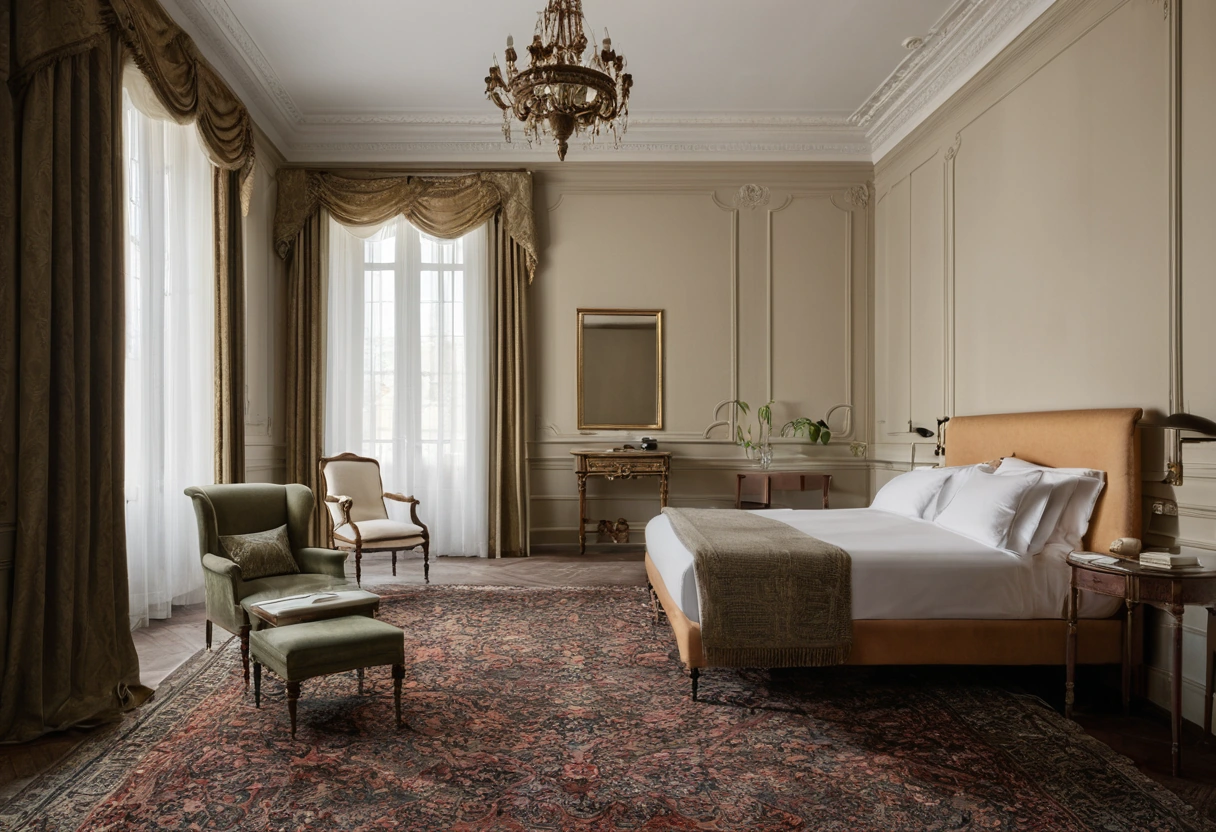
Start with the guest's practical needs: a sound bed, usable light, a place for luggage, reachable storage, and a clear route. Fit those functions around the room's documented features. The bed position may be constrained by a fireplace or window; the answer may be a smaller headboard or different storage, not covering the feature.
Explain the difference between original features, compatible additions, and interpretive furnishings where the hotel's communication makes historical claims. Avoid calling a newly commissioned item an original period piece. Where provenance is unknown, the description should say so. Clarity protects both the visitor's understanding and the project's credibility.
Housekeeping and repair staff should review the proposed layout. Can they clean behind the furniture without scraping an old baseboard? Can a lamp be serviced without removing paneling? Can a chair be repaired locally? The hotel's daily operation is part of preservation because repeated handling can damage fragile fabric when the layout makes maintenance difficult.
What should a handover record contain?
Keep a record of what was present before work, what was retained, what was added, and how new materials should be maintained. Include dated photographs, measured drawings, product references, and specialist reports. A later hotel manager should be able to tell whether a surface is old, repaired, or newly installed without guessing from appearance.
Review the completed room against both the conservation schedule and the operational brief. Walk the guest route with luggage, open storage, test lighting, and inspect retained features. If new furniture hides a significant detail or creates a maintenance obstacle, the layout still needs work even when the promotional photograph looks attractive.
The strongest historic hotel interiors make the building understandable while supporting a present-day stay. That outcome comes from evidence, measured decisions, and a clear record of change. It cannot be delivered by applying a period label to new furniture after the room is finished.